Tools of the trade
Behind every great cocktail is a bartender with the right tools. Whether you're behind the bar professionally or mixing drinks at home, these essential tools serve as your foundation. Each one plays a unique role in the crafting of a balanced, well-made drink. Understanding not only what they do, but how and why they’re used, helps elevate your practice from pouring to performance.
1. Shaker
What It Does
A shaker is used to mix, chill, and dilute ingredients—particularly cocktails that include citrus, fruit juice, egg whites, cream, or syrups. Shaking adds air and emulsifies the drink, often giving it a frothy texture and vibrant look.
Types of Shakers
1.1 Boston Shaker
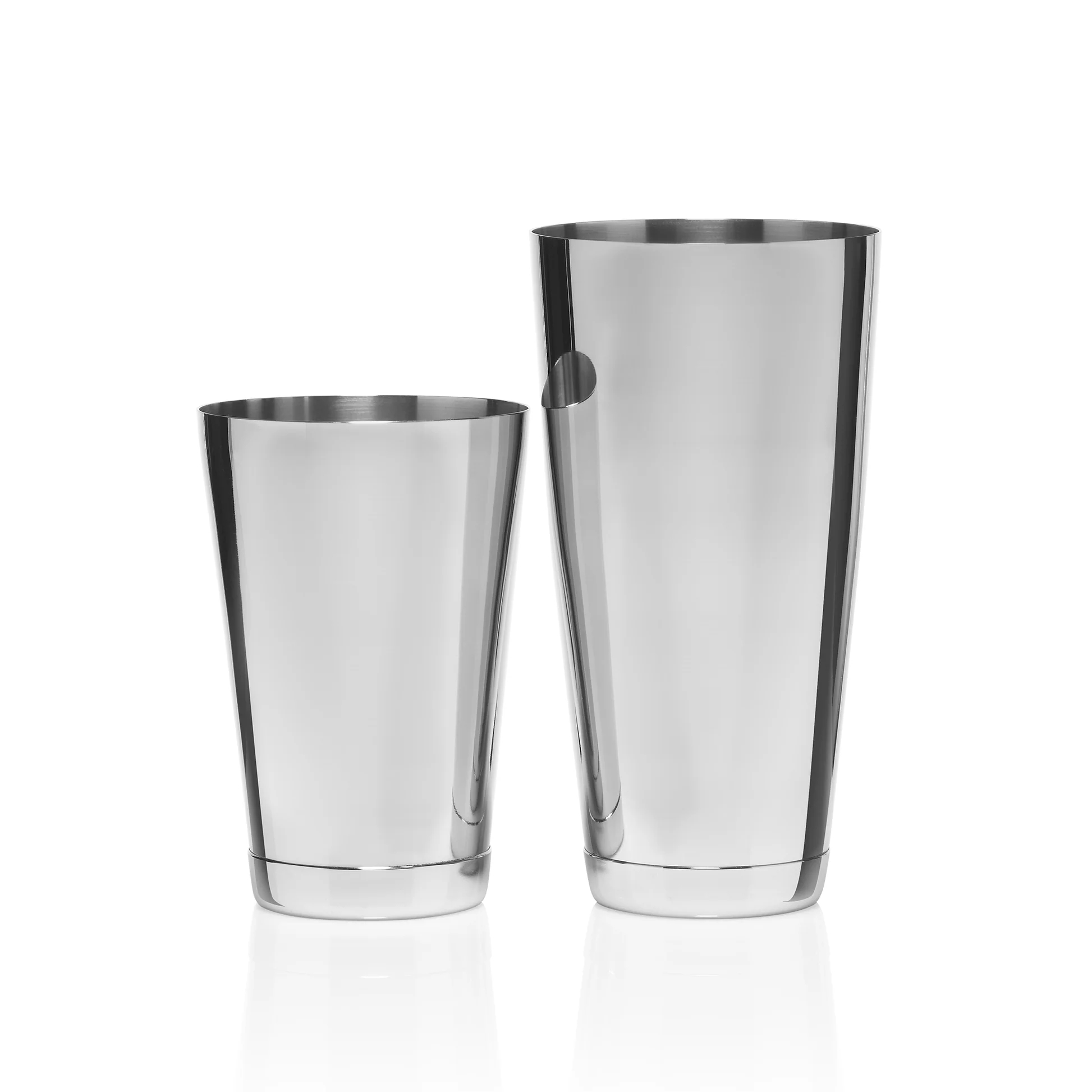
- Two pieces: one large metal tin (usually 830ml / 28 oz) and a smaller mixing glass or tin (470ml / 16 oz).
- Pros: Large capacity, fast chilling, visually clean.
- Cons: Requires a separate strainer (like a Hawthorne), and may need practice to seal and unseal confidently.
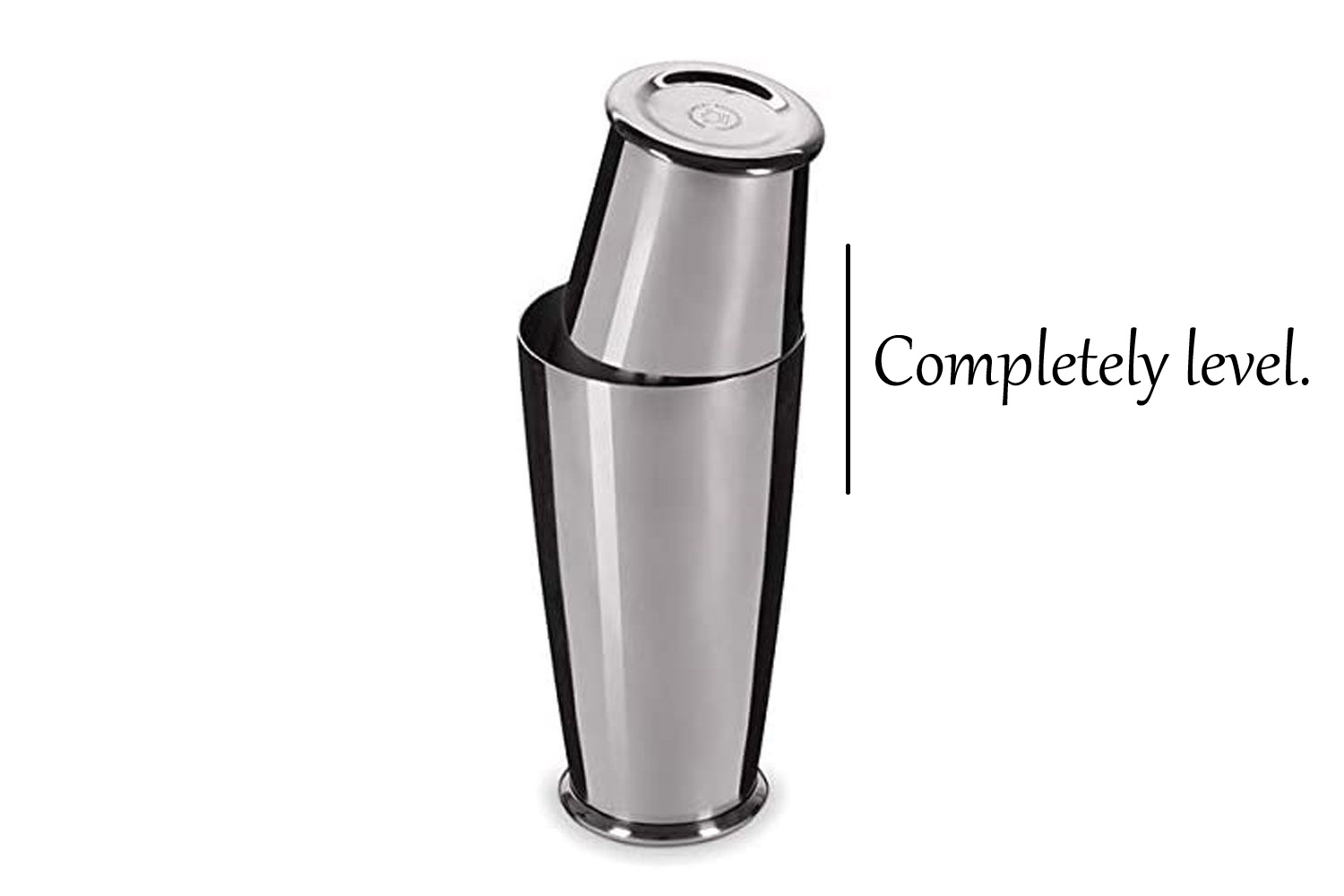
- Usage Tip: Position the tins so that one side is completely level at the seam. Tap the tins together to seal. After shaking, break the seal by tapping the side opposite the seam.
1.2 Cobbler Shaker (Japanese Shaker)
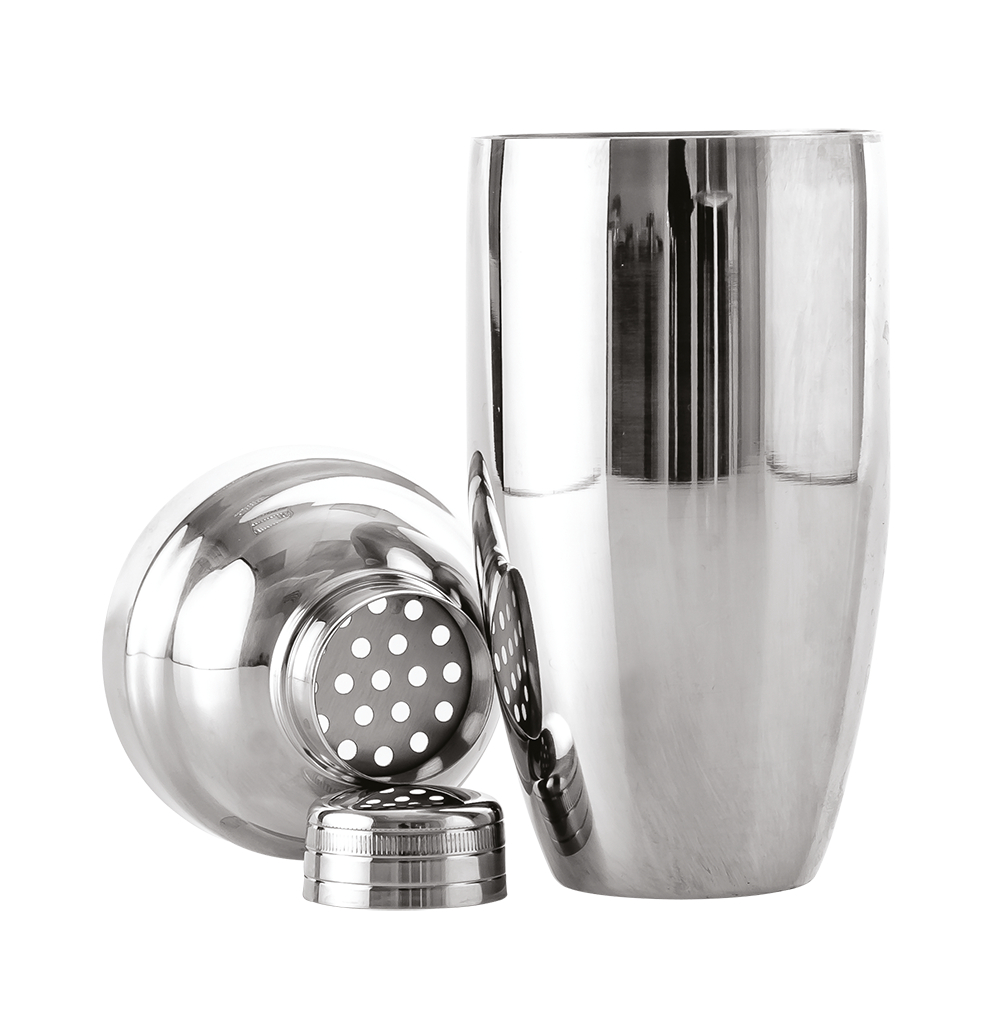
- Three pieces: metal base, built-in strainer top, and a cap.
- Pros: Easier for beginners. Built-in strainer saves time. One hand shake is easy.
- Cons: Smaller capacity, prone to freezing shut when cold, slower to open.
- Usage Tip: Rinse with warm water briefly after use to loosen any stuck parts.
1.3 French Shaker
-
Two pieces: metal tin and metal cap (no glass).
-
Elegant alternative: Combines aesthetics of the Cobbler with functionality of the Boston.
-
Less common in high-speed environments but popular with cocktail purists.
2. Strainer
What It Does
Strainers filter out ice, herbs, fruit pulp, and solids after shaking or stirring. Different strainers fit different mixing methods and containers.
Types of Strainers
2.1 Hawthorne Strainer
-
Recognizable by the spring coil, which fits snugly in shaker tins or mixing glasses.
-
Flexible sizing: The coil allows it to adjust to various openings.
-
Usage Tip: For finer control, place a finger lightly on the top to stabilize while pouring.
2.2 Julep Strainer
-
Bowl-shaped with holes, originally designed for straining mint juleps.
-
Now typically used with mixing glasses for stirred drinks.
-
Usage Tip: Position the concave side toward the glass to catch more solids.
2.3 Fine Mesh Strainer (Double Straining)
-
Often used in conjunction with Hawthorne or Julep strainers to remove tiny bits—especially helpful for drinks with muddled herbs or egg whites.
-
Usage Tip: Hold over the glass while pouring to avoid clogging and maintain smooth texture.
3. Muddler
What It Does
A muddler gently crushes fruit, herbs, or sugar cubes in the bottom of the glass to release oils, juices, and flavors. It’s essential for cocktails like the Mojito, Caipirinha, or Old Fashioned.
Types and Materials
-
Wood: Traditional and warm in feel, but can absorb flavors and needs gentle care.
-
Plastic or Nylon: Durable and dishwasher-safe, though sometimes lacks grip.
-
Stainless Steel: Sleek, hygienic, and heavy enough for consistent pressure.
Usage Tips
-
Don’t mash too hard, especially with herbs like mint—this releases bitterness.
-
Use a gentle pressing and twisting motion to express oils without pulverizing.
4. Barspoon
What It Does
Used for stirring cocktails to chill and dilute without adding air or agitation. Also helpful for layering ingredients and measuring small amounts.
Features
-
Long twisted handle for grip and ease of rotation.
-
Weighted tip can serve as a counterbalance for spinning motion.
-
Forked or disc tip at the opposite end may be used for picking garnishes or light muddling.
Usage Tips
-
Stir with a smooth, circular motion against the wall of the mixing glass.
-
Use the back of the spoon to guide liquid down the side when layering.
5. Jigger
What It Does
A jigger is a measuring tool that ensures consistent pours, which is key to balance and cost control.
Common Types
5.1 Standard Double-Sided Jigger
-
Typically one side holds 1 oz (30 ml) and the other 0.5 oz (15 ml).
-
Some come with internal markings for incremental pours.
5.2 Japanese Jigger
-
Sleeker and taller, often with sharper measurement markings for precision.
-
Usually measures 1 oz and 2 oz, with interior lines.
5.3 Bell Jigger
-
Curvier design, sometimes easier to grip.
-
Aesthetic and functional.
Usage Tips
-
Always pour level to the rim for accuracy.
-
Develop muscle memory by practicing consistent pouring motions.
6. Citrus Press
What It Does
A manual press that extracts juice from citrus fruits—lemons, limes, and small oranges. Fresh juice makes a world of difference in taste, brightness, and aroma.
Styles
-
Handheld Press (Mexican Elbow): Most common style; squeezes the fruit inside a hinged press.
-
Manual Juicer or Reamer: For higher volume; usually sits on a surface.
Usage Tips
-
Place the fruit cut-side down (peel up) so juice sprays downward and oils are expressed from the skin.
-
Rinse or wipe after each use to avoid buildup and rust.
7. Torch
What It Does
A handheld butane torch introduces heat, caramelization, and theatricality to cocktails. Not essential for every bartender—but an exciting addition for those who want to add drama and flavor complexity.
Uses
-
Caramelizing sugar (e.g., on a Crème Brûlée Martini).
-
Toasting herbs or spices (like rosemary or cinnamon).
-
Igniting citrus oils for a smoky garnish.
-
Lighting up wood chips or barrel staves for smoke infusions.
Usage Tips
-
Always use with caution and in a well-ventilated area.
-
Keep flammable bottles away.
-
For added safety, use with a fire-resistant mat or tray when demonstrating for guests.